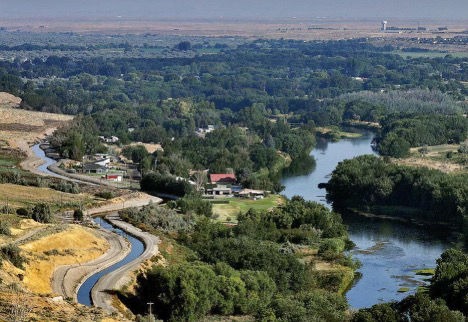
Coupled human–water systems for sustainable agricultural water use
Integrated models connect hydrological processes with the decisions of diverse water users to reveal robust pathways for agricultural water sustainability.
Explore project
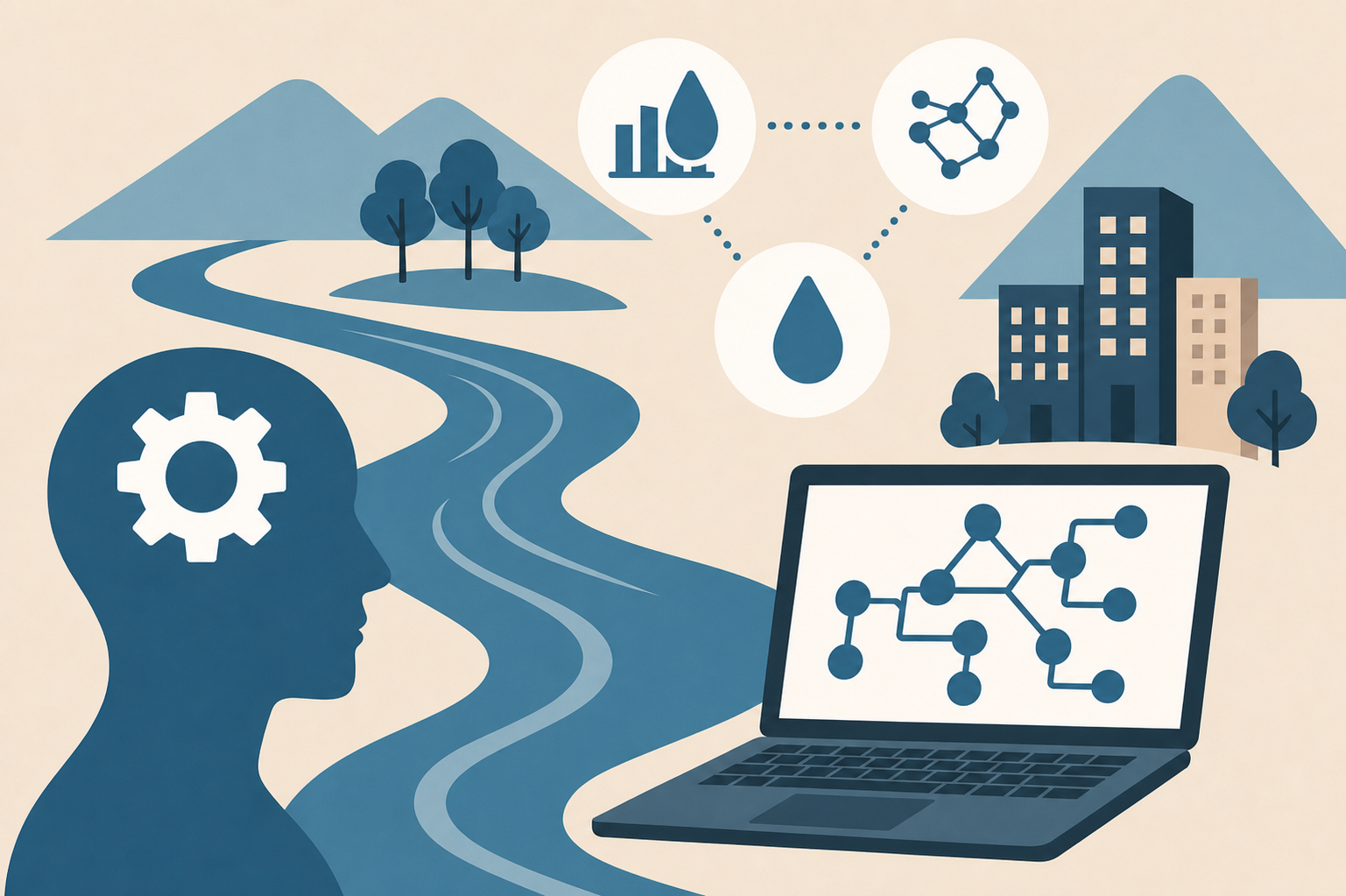
Our work integrates social and engineering perspectives across governance levels—from community decisions to regional system planning and national policy. We use agent-based modeling, data science, artificial intelligence, optimization, and decision theory to advance sustainable water management in a changing climate.
Integrated models connect hydrological processes with the decisions of diverse water users to reveal robust pathways for agricultural water sustainability.
Explore project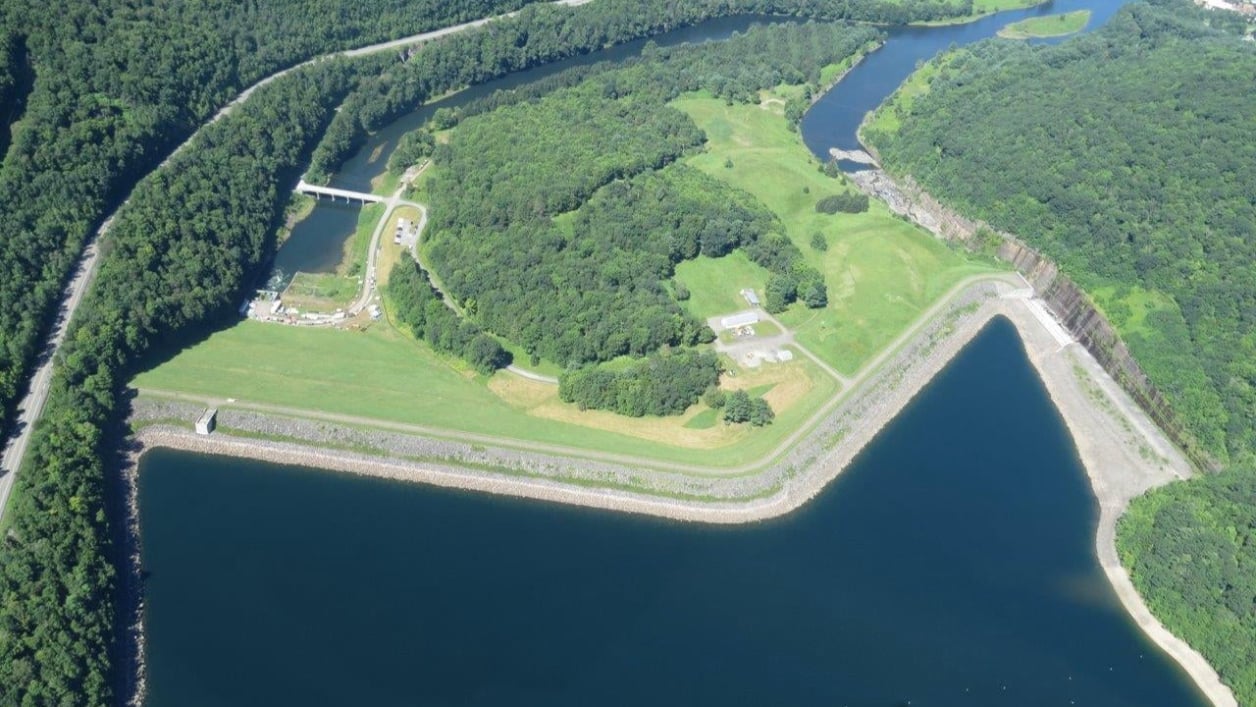
A modular, machine-learning-augmented model helps balance water supply, cold-water fisheries, and salinity risks in the Delaware River Basin.
Explore project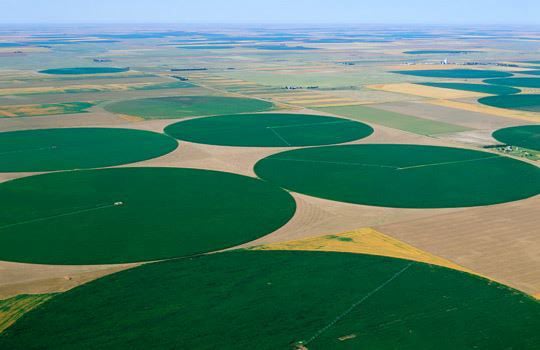
Behaviorally grounded modeling explores how farmer decisions, policy design, and environmental heterogeneity influence groundwater conservation.
Explore project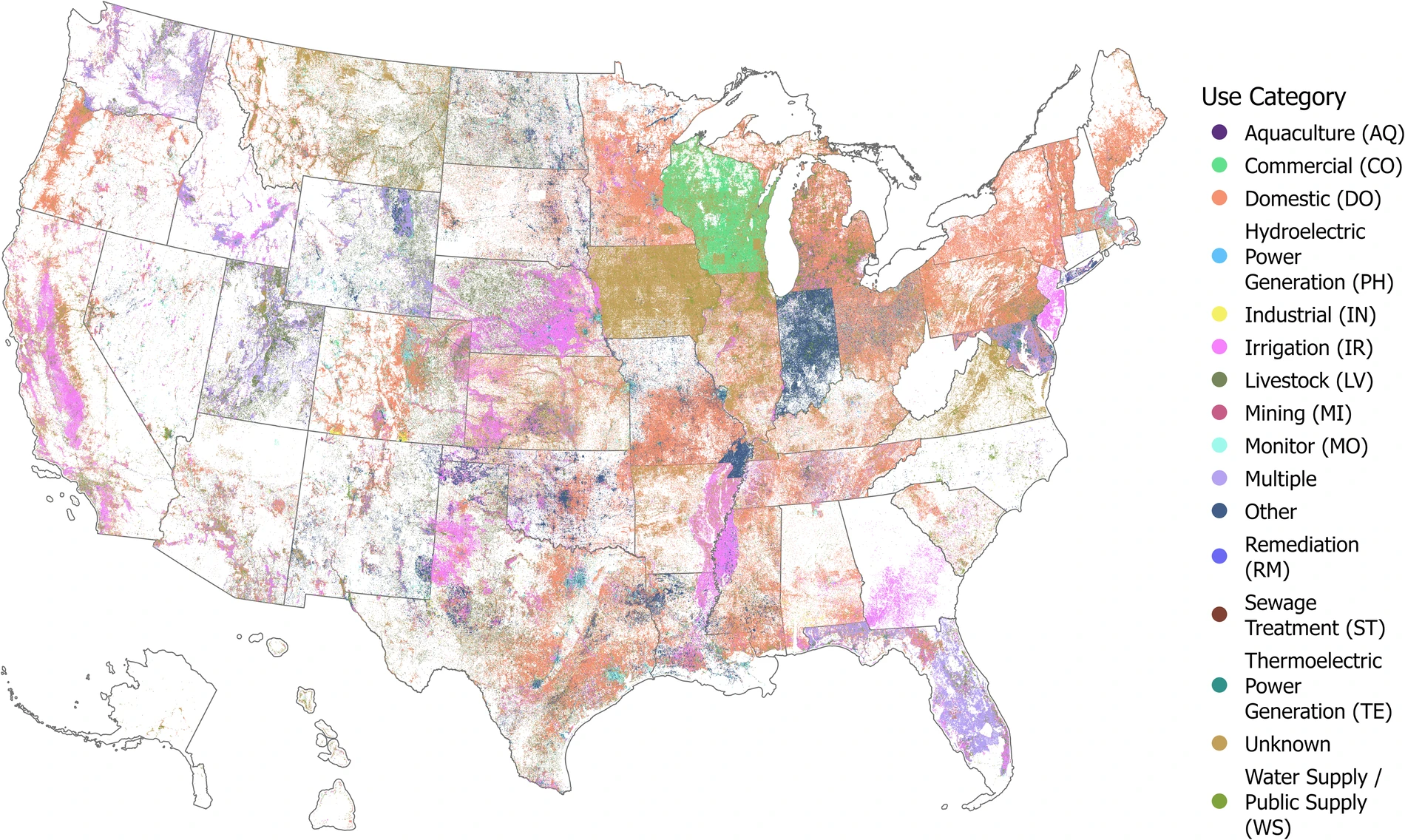
More than 14.2 million standardized well records create a foundation for understanding groundwater access, infrastructure, and risk across the United States.
Explore project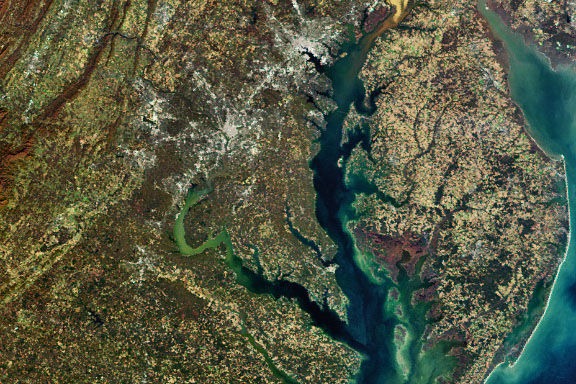
Coupled models test how cost-sharing and pay-for-performance programs shape farmer behavior, cooperation, costs, and water-quality outcomes.
Explore project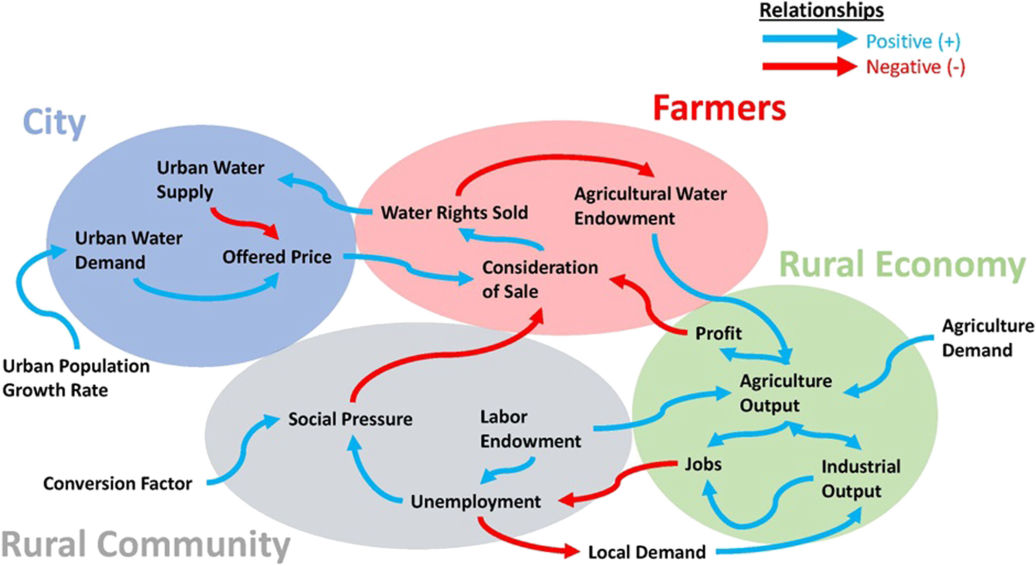
Integrated agent-based and economic models trace how water-right transfers affect farms, employment, services, and the long-term resilience of rural communities.
Explore project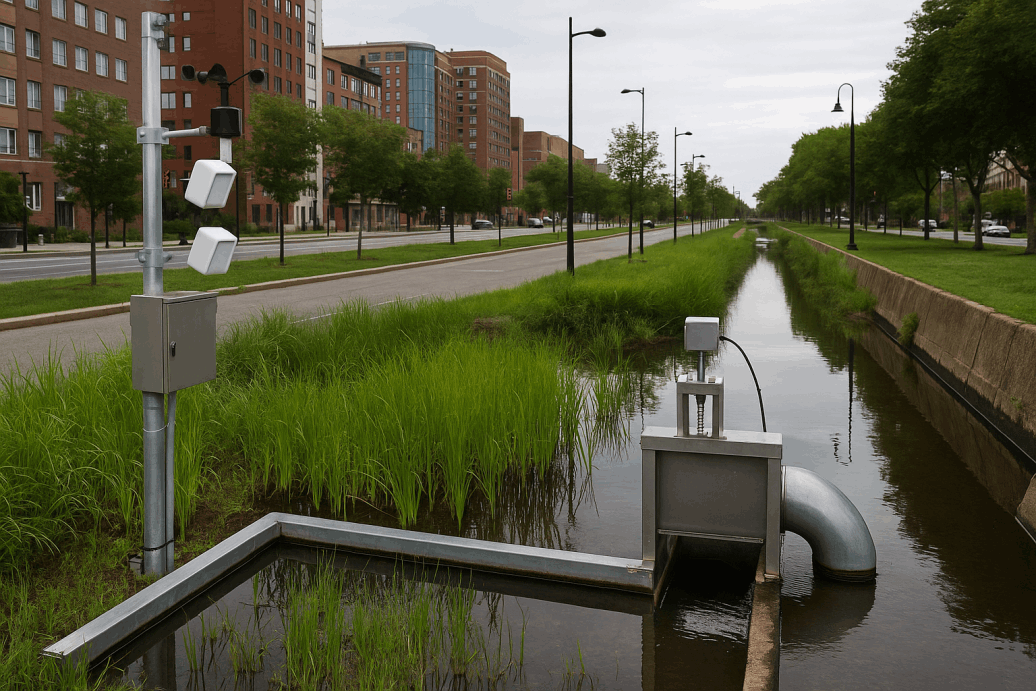
Risk models reveal how deceptive sensor data and natural hazards can compound, offering a basis for more resilient real-time water infrastructure.
Explore project